Protecting Your Business From Pests With Expertise and Precision
At Titan Pest & Wildlife Solutions, we understand businesses’ unique challenges when dealing with pest invasions. Our comprehensive commercial pest control services in St. Louis offer immediate relief and long-term solutions to businesses across various industries. From restaurants and hotels to warehouses and office buildings, our expert team has the knowledge, tools, and techniques to tackle any pest problem, big or small.
ExcellentTitan Pest and Wildlife Solutions5.0★★★★★See all reviewsTiffany B. ★★★★★ Always fast and efficient and a pleasure to work with. Jay rescued us from a particular issue today, and was fantastic, and Dan is our monthly guy and we are very grateful for him as well.Response from the ownerHi, Tiffany. Thanks for taking the time to share your positive experience. We truly appreciate it! Jeff V. ★★★★★ Jay and Dan have always been A1 with their service! A great company to use for business AND home!!Response from the ownerHi, Jeff. We are thrilled to learn that you had a positive experience with us! Jada J. ★★★★★ Jay came in here and got right too work ! He did an amazing job ! Definitely will be booking againResponse from the ownerHi, Jada. Thank you so much for leaving us a stellar review! Mikhaela ★★★★★ J was very professional and quick with his job I highly recommend working with him❤️Response from the ownerHi, Mikhaela. Thanks for taking the time to share your positive experience. We truly appreciate it! Georgia R. ★★★★★ Great service! Jay and Brandyn are both polite, helpful and thorough. Will keep using them to help us manage the house and yard.Response from the ownerHi, Georgia. Your feedback is highly appreciated. Thank you for the review! Dean C. ★★★★★ Highly recommend! Very professional, quick quote and work done 2 days later! Removed birds that had invaded our house.Response from the ownerHi, Dean. We appreciate the kind words and are glad we could provide you with a positive experience! J H ★★★★★ J provided a thorough monthly service to treat both inside and outside of my house.Response from the ownerHi, J. Thanks for taking the time to share your positive experience. We truly appreciate it! Buvana R. ★★★★★ Jay at Titan Pest Control was awesome! Prompt and thorough in his work. Found the issue and took all steps to get it fixed.Response from the ownerHi, Buvana. We are thrilled to learn that you had a positive experience with us! Mesha H. ★★★★★ Jay was awesome and very thorough! I have not seen any pests since he’s been out.Response from the ownerHi, Mesha. Thank you so much for leaving us a stellar review! Tierra B. ★★★★★ Jay Was So Kind And On TimeResponse from the ownerHi, Tierra. Your feedback is highly appreciated. Thank you for the review! Ant G ★★★★★ Jay been awesome thanksResponse from the ownerHi, Ant. We appreciate the kind words and are glad we could provide you with a positive experience! Porcelaine J. ★★★★★ Jay comalea in our facility and gets the job doneResponse from the ownerHi, Porcelaine. We are thrilled to learn that you had a positive experience with us! Ters S. ★★★★★ Jay is awesome 👌Response from the ownerHi, Ters. Thank you so much for leaving us a stellar review! Eddrick B. ★★★★★ Excellent Service. J was great!Response from the ownerHi, Eddrick. Your feedback is highly appreciated. Thank you for the review! Gareth B. ★★★★★ Jay was very helpful and friendly! Thank you!Response from the ownerHi, Gareth. We appreciate the kind words and are glad we could provide you with a positive experience! Elijah M. ★★★★★ Will always have Titan take care of my homes! Brandyn Sr. always does a great job and gives me details about the work done. The whole team is great as well!Response from the ownerHi, Elijah. We appreciate the rating, and are glad we could provide you with a positive experience! Debra L. ★★★★★ Jay is here now and has inquired about any issues I might be having. Stink bugs are an issue and can find a way to get in my house too often. He did spray areas that could be responsible.Response from the ownerHi, Debra. Thanks for taking the time to share your positive experience. We truly appreciate it! Rebecca C ★★★★★ I had an issue with the previous owner, but the new owner is very responsive!MARY Jean O. ★★★★★ Jay was very professionalResponse from the ownerHi, Mary. We are thrilled to learn that you had a positive experience with us! Patricia E. ★★★★★ Service was very nice and J was really helpful.Response from the ownerHi, Patricia. Thank you so much for leaving us a stellar review! Phyllis H. ★★★★★ Amazing customer service by J!Response from the ownerHi, Phyllis. Your feedback is highly appreciated. Thank you for the review! Sherri B. ★★★★★ J was fantastic. Polite, efficient, and asked if I needed anything else after spraying. That's a first. Thank you!Response from the ownerHi, Sherri. We appreciate the kind words and are glad we could provide you with a positive experience! Lynn N. ★★★★★ Excellent service done by J! Thank you Titan!Response from the ownerHi, Lynn. Thanks for taking the time to share your positive experience. We truly appreciate it! Helen U. ★★★★★ J did a great and thorough job of getting my mice issue solved. Very helpful and explained everything. Glad I called Titan!Response from the ownerHi, Helen. We are thrilled to learn that you had a positive experience with us! Evan C. ★★★★★ Jay did a great job!Response from the ownerHi, Evan. Your feedback is highly appreciated. Thank you for the review! Natalie S. ★★★★★ J was on time and very professional. i would highly recommend this company to anyone!Response from the ownerHi, Natalie. We appreciate the kind words and are glad we could provide you with a positive experience! Syndi S ★★★★★ Jay is THE best. He goes above and beyond for the customer. Ask for him. You won't be disappointed.Response from the ownerHi, Syndi. Thanks for taking the time to share your positive experience. We truly appreciate it! Gregory B. ★★★★★ J did a great job!Response from the ownerHi, Gregory. We are thrilled to learn that you had a positive experience with us! Jamie B. ★★★★★ J did a great job doing pest control and making sure the right treatment was done for the right pests to prepare for spring!Response from the ownerHi, Jamie. Thank you so much for leaving us a stellar review! Maria B. ★★★★★ Brandon Sr is amazing! He was able to find and fill the holes where the pests were entering and i’ve had no issues since. I can’t recommend him enough!!Response from the ownerHi, Maria. Your feedback is highly appreciated. Thank you for the review! C.D. L. ★★★★★ Brandon services my house and I couldn’t be happier. Professional and clean.Response from the ownerHi, C.d.. We appreciate the kind words and are glad we could provide you with a positive experience! Sandra Z. ★★★★★ Jay, our technician was very friendly, professional and reassuring that our problem is solved.Response from the ownerHi, Sandra. Thanks for taking the time to share your positive experience. We truly appreciate it! Kenny P. ★★★★★ They did a great job and guaranteed their work. Highly recommend.Mary Beth P. ★★★★★ J did an excellent job both inside and out! He located points of entry gave helpful preventative measures. AND left fabulous organic hand made dog treats for our pups. Thank you!Response from the ownerHi, Mary. We are thrilled to learn that you had a positive experience with us! Mary B. ★★★★★ The guys at Titan Pest and Wildlife Solutions are GREAT. They come when they schedule an appointment! They answer questions and are extremely willing to be helpfulResponse from the ownerHi, Mary. Thank you so much for leaving us a stellar review! jacob S. ★★★★★ Great service & very attentive to make sure all of our needs are met. Jay has been fantastic for our property! Would definitely recommend for other properties & homes in the area! Request Jay to guarantee you get the same great service that we did!Response from the ownerHi, Jacob. Your feedback is highly appreciated. Thank you for the review! Evion N. ★★★★★ I really hope that I’m not going to need to call them again. But if I ever have any issues in the future, definitely will be a return customer! J was Very helpful.Response from the ownerHi, Evion. We appreciate the kind words and are glad we could provide you with a positive experience! bunny R. ★★★★★ amazing amazing job! Amazing people J answered every question that I had. And I’m no longer having issues with unwanted guests! If you’re having any issues, I highly recommend calling them.Response from the ownerHi, Bunny. Thanks for taking the time to share your positive experience. We truly appreciate it! Kile S. ★★★★★ Easy to work with and schedule, and great prices.Mengwen Z. ★★★★★ J does a great job following up on our concerns about bugs and squirrels around the house. He’s professional and efficient in his work. Five star on the company as well!Response from the ownerHi, Mengwen. We are thrilled to learn that you had a positive experience with us! Sharon C. ★★★★★ Brandyn came and did a thorough check for bedbugs. Thankfully, not a sign of them! Thank you so muchResponse from the ownerHi, Sharon. Thank you so much for leaving us a stellar review! Shanae B. ★★★★★ J was excellent, fast and a hard worker. He got the job done and very professional.Response from the ownerHi, Shanae. Your feedback is highly appreciated. Thank you for the review! J H ★★★★★ Best in the St. Louis area. J is very efficient and professional.Response from the ownerHi, J. We appreciate the kind words and are glad we could provide you with a positive experience! Alex W. ★★★★★ Got rid of the roaches. thanks you Jay.Response from the ownerHi, Alex. Thanks for taking the time to share your positive experience. We truly appreciate it! Alyssa T. ★★★★★ Omg! J was amazing! Great friendly service! Thank you!Response from the ownerHi, Alyssa. We are thrilled to learn that you had a positive experience with us! LL F. ★★★★★ As always, the service was great and the technician was prompt and friendly. Thanks for providing this well needed service.Response from the ownerHi, Ll. Thank you so much for leaving us a stellar review! Antoine C. ★★★★★ J had great customer service skillsResponse from the ownerHi, Antoine. Your feedback is highly appreciated. Thank you for the review! Carlos H. ★★★★★ J is an amazing guy friendly and very knowledgeableResponse from the ownerHi, Carlos. We appreciate the kind words and are glad we could provide you with a positive experience! Edward M. ★★★★★ Incredible service!Kevin B. ★★★★★ My wife & I love this company! Great customer service & affordable! Will definitely be referring our friends and family!Danna B. ★★★★★ Titan is my go to for all my real estate clients. Very professional and easy to work with.Jake L. ★★★★★ Great service and did the job right the first time. I’ll be calling them for my next service to keep my property free of pests. Thanks guys.Kyle B. ★★★★★ Fantastic company and great owners!Zimran L. ★★★★★ These guys were amazing. Quality work done efficiently. Will definitely be the people we call if we ever need to get rid of any more pests.Anthony G. ★★★★★ I was having a recurring ant infestation around my windows. No matter what I tried they kept coming back. After Titan came by, no more ants. They were very professional and on time. Took care of the bugs with great service.Logan F. ★★★★★ Everyone I've interacted with has been great, and the price is good, too. The mice that had moved in have been evicted, and I haven't had any issues since. The guys that come out to my house have been quick and non-intrusive while I work from home as well. Highly recommend!Response from the ownerHi, Logan. Thanks for taking the time to share your positive experience. We truly appreciate it! Glenn T. ★★★★★ They done a good job explaining everything they would do for the termite problem we had and done a good job on the follow up. The technician we had was very professional and answered all our questions.Response from the ownerHi, Glenn. Thank you so much for leaving us a stellar review! Kaitie E. ★★★★★ These guys are awesome!! We had a few mice in our house we bought (it was built in the 50s). They quickly came out, found the access points, and sealed those points of entry. Very reasonably priced and the gentlemen who came out were great! 10/10 recommend.Response from the ownerHi, Kaitie. Your feedback is highly appreciated. Thank you for the review! Sherise F. ★★★★★ Great, quick, honest serviceResponse from the ownerHi, Sherise. We appreciate the kind words and are glad we could provide you with a positive experience! Robin M. ★★★★★ Always in time and responsive to concerns. Happy to work with Titan whose rates are reasonable.Response from the ownerHi, Robin. Thanks for taking the time to share your positive experience. We truly appreciate it! Bill V. ★★★★★ On time very thourough great explanation of services. You were highly recommeded by a friend. Thanks again.Response from the ownerHi, Bill. We are thrilled to learn that you had a positive experience with us! Dora D. ★★★★★ I CAN NOT THANK J AND HIS TEAM ENOUGH FOR COMING OUT AND TAKINK CARE OF OUR BUG PROBLEM, NOT ONLY DID HE GET RID OF THE PROBLEM WE NOTICED HE ALSO SPOTTED OTHER INFESTATIONS THAT WE WERE NOT AWARE OF AND GOT RID OF THE PROBLEM IMMEDIATELY!!! THE TREATMENTS WERE CONSISTENT AND THEY WERE SO CONSCIOUS OF OUR SAFETY, I AM SO GRATEFUL THAT I CAN COME INTO MY WORKPLACE AND NOT WORRY ABOUT TAKING ANYTHING HOME WITH ME. THANK SO YOU 🙏😊Joshua P. ★★★★★ Very professional experience. Great people to work with!Sharon M. ★★★★★ I was so impressed with the responsiveness I experienced using Titan. Everyone was so friendly and professional from my initial consult down to the numerous panicked phone calls I made during the catch period. I wouldn't hesitate to recommend them and if necessary, I would definitely use them again. Who knew raccoons could create such damage?Response from the ownerHi, Sharon. Your feedback is highly appreciated. Thank you for the review! bibian B. ★★★★★ They did a good job installing my holiday lightsResponse from the ownerHi, Bibian. We appreciate the kind words and are glad we could provide you with a positive experience! Justine M. ★★★★★ My appointment period was estimated to be between 1&4. Unlike most businesses that give you a range, he showed up at 130 after a quick call. He answered all my questions, gave me several options to pick from and a firm estimate. I agreed to get it done asap and he had the equipment available to do it right then. The whole appointment took about 1 1/2 hrs and he was done. The estimate was better than most other’s that I’ve gotten. Very happy with the experience.Response from the ownerHi, Justine. Thanks for taking the time to share your positive experience. We truly appreciate it! Shawna S. ★★★★★ I had the best custservice experience talking with Brandon. He was very understanding of my position and what it was I was needed and was very responsive and professional about the circumstances. I would say he has gone above and beyond to help with some families I have been working with through my job. I would recommend giving them a call if you have any concerns with treating a home.Response from the ownerThank you so much for your review! Jorge M. ★★★★★ Very responsive and professionalResponse from the ownerHi, Jorge. We are thrilled to learn that you had a positive experience with us! Sandy G. ★★★★★ AJ and David hung our Christmas lights on the front of our house and did a great job. They were very friendly and professional. I highly recommend them.Response from the ownerHi, Sandy. Your feedback is highly appreciated. Thank you for the review! Laura M. ★★★★★ Hung Christmas lights, did a wonderful job!! So pleased with how it looks and these 2 young men were so professional and courteous, I expected I will call them for other things. Will definitely tell everyone who did this.Response from the ownerHi, Laura. We appreciate the kind words and are glad we could provide you with a positive experience! Haley E. ★★★★★ This was my first time using Titan and they far exceeded my expectations! I contacted Titan as we discovered we had 2 very large, guinea pig looking animals in our garage. We had seen them go in and out of their hiding place and no clue what they were. I figured I would have to wait to get someone out, and they put me on the schedule the same day. David came out and looked around and talked about our wildlife/rodent problem....appears to be two pack rats. He explained in detail what he was going to do with the traps and all. Typically they leave and send you an estimate and, once approved, they come back to do all the work. I asked if he could go ahead and put the bait and traps out now, and I would sign and pay, or whatever was needed. as we were just anxious to get these rodents taken care of, due to the inconvenience and damage they have caused (including eating through my husbands turn signal wire on his car). He took the time to contact the office to see if he could do this, prepare the estimate for my signature, go over in detail the terms of the contract and warranty, and then I paid over the phone. Very easy. I was so appreciative of his willingness to try to get this done quickly for us, even though it isn't their usual policy. He then set everything out and told me if I felt like I needed service before my scheduled 7 day time to just call and they would work with me. I loved the experience, or as much as you can love having 2 very large pack rats in your garage (think guinea pig size, lol). David was very timely, knowledgeable, and respectful. When he left he even shook my hand. Titan has definitely earned any future business of mine and I will definitely be recommending them to others!**Update: After no movement on the camera for almost 72 hours (and they set off the camera pretty much every 5 minutes prior to Titan coming out so we were cautiously optimistic they both had died), one resurfaced at 3am this morning, the one that has had a trap stuck on him for that entire 72 hours, and he can't get into the only food source, aka the bait trap, because of the trap being stuck on his head. So, I contacted Titan this morning just to see if anyone could come back out before the scheduled Thursday time, figuring I probably would be out of luck. The lady that answered said that while David's schedule was pretty full, she would have him out sometime today, just couldn't say when.I wish more businesses operated this way.Response from the ownerHi, Haley. Thanks for taking the time to share your positive experience. We truly appreciate it! Hunter O. ★★★★★ I had my home checked for all insects and pest. He did a great job and was very thorough. I would tell all my family and friends about them.Response from the ownerHi, Hunter. We are thrilled to learn that you had a positive experience with us! Dusty and Danielle D. ★★★★★ We had so many brown recluse this year, response time was fantastic. Allen was very friendly, respectful, and knowledgeable. They handled the problem and now i can finally sleep again. Will forever recommend Titan to all our friends and family.Response from the ownerHi, Dusty. Your feedback is highly appreciated. Thank you for the review! Lori Montavon O. ★★★★★ David did a great job of ridding my flea issue! He is very knowledgeable and very professional!! I would recommend Titan Pest and Wildlife Solutions if you have any kind of pest you want gone!!! 👍⭐⭐⭐⭐⭐Response from the ownerHi, Lori. We appreciate the kind words and are glad we could provide you with a positive experience! Ashley C. ★★★★★ I had a skunk trying to build a home under my house and they came and removed it. They were professional.Response from the ownerHi, Ashley. We are thrilled to learn that you had a positive experience with us! Shelby D. ★★★★★ Lots of brown recluse this year! The titan crew is knowledgeable and efficient!Response from the ownerHi, Shelby. Thank you so much for leaving us a stellar review! Nicole M. ★★★★★ They were kind and helped my pest problem in a timely manner.Response from the ownerHi, Nicole. Your feedback is highly appreciated. Thank you for the review! Ruby C. ★★★★★ Aj was very professional and got rid of those pesky spidersResponse from the ownerHi, Ruby. We appreciate the kind words and are glad we could provide you with a positive experience! April N. ★★★★★ Very professional and helpful!Response from the ownerHi, April. Thanks for taking the time to share your positive experience. We truly appreciate it! Tressa C. ★★★★★ I had feral cats under my house and they removed them and took them to a shelterResponse from the ownerHi, Tressa. We are thrilled to learn that you had a positive experience with us! Michelle D. ★★★★★ I personally thought they were the best! Very friendly and went above and beyond what I expected!Response from the ownerHi, Michelle. Thank you so much for leaving us a stellar review! Garrett J. ★★★★★ Fast easy and very respectfulResponse from the ownerHi, Garrett. Your feedback is highly appreciated. Thank you for the review! Bob P. ★★★★★ Direct and clear about the issue and how to address it. On time, punctual, and professional.
Our Approach to Commercial Pest Control
Integrated Pest Management (IPM) for Businesses
Our strategy centers around Integrated Pest Management (IPM), a holistic approach focusing on safe, environmentally friendly, and sustainable pest control solutions. Combining biological control, best practices, mechanical solutions, and chemical treatments ensures effective pest management that minimizes risk to your employees, customers, and the environment.
Retail Pest Control: Protect your retail space from pests that can harm your reputation and bottom line.
Hospitality and Lodging: Ensure your guests enjoy a comfortable, pest-free stay.
Food Service Pest Management: Keep your dining establishment compliant with health regulations and safe from pests.
Healthcare Facility Pest Control: Specialized pest management that meets the strict standards of healthcare facilities.
Office and Commercial Building Pest Control: Create a healthy and safe workplace free from pests.
Warehouse and Storage Pest Management: Protect your inventory from pest-related damages and losses.
Common Pests in St. Louis Businesses and How We Protect You
Businesses in St. Louis face unique challenges from a variety of pests. Understanding these threats and how to respond is crucial in maintaining a safe, healthy, and welcoming environment for your customers and employees. Titan Pest & Wildlife Solutions specializes in combating these common invaders using advanced techniques and sustainable practices.
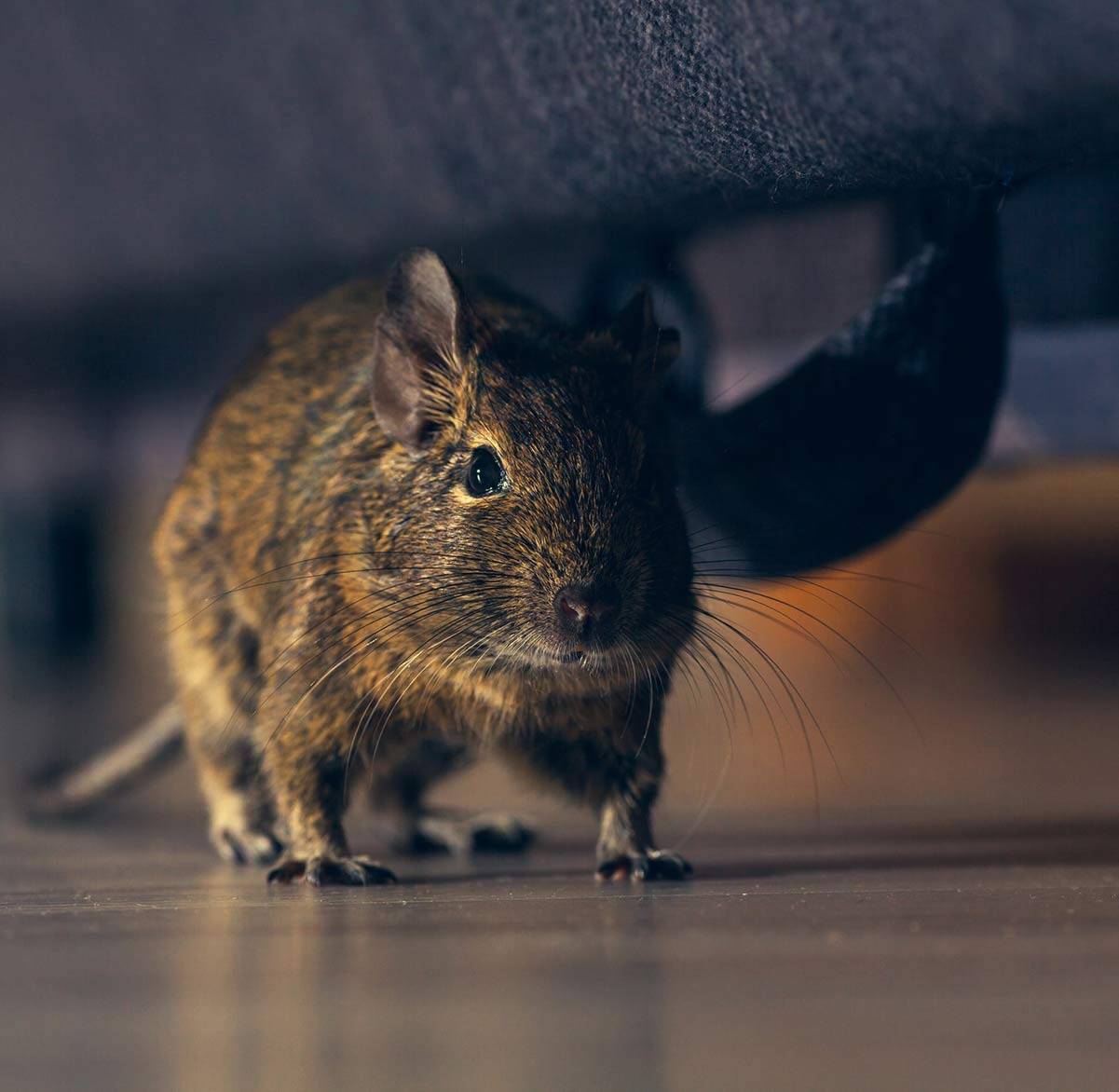
Rodents like rats and mice can cause significant damage and health risks. They gnaw on wires and structural components and can contaminate food sources. Our rodent control strategies include exclusion techniques, baiting, and trapping, ensuring your premises remain rodent-free and safe.
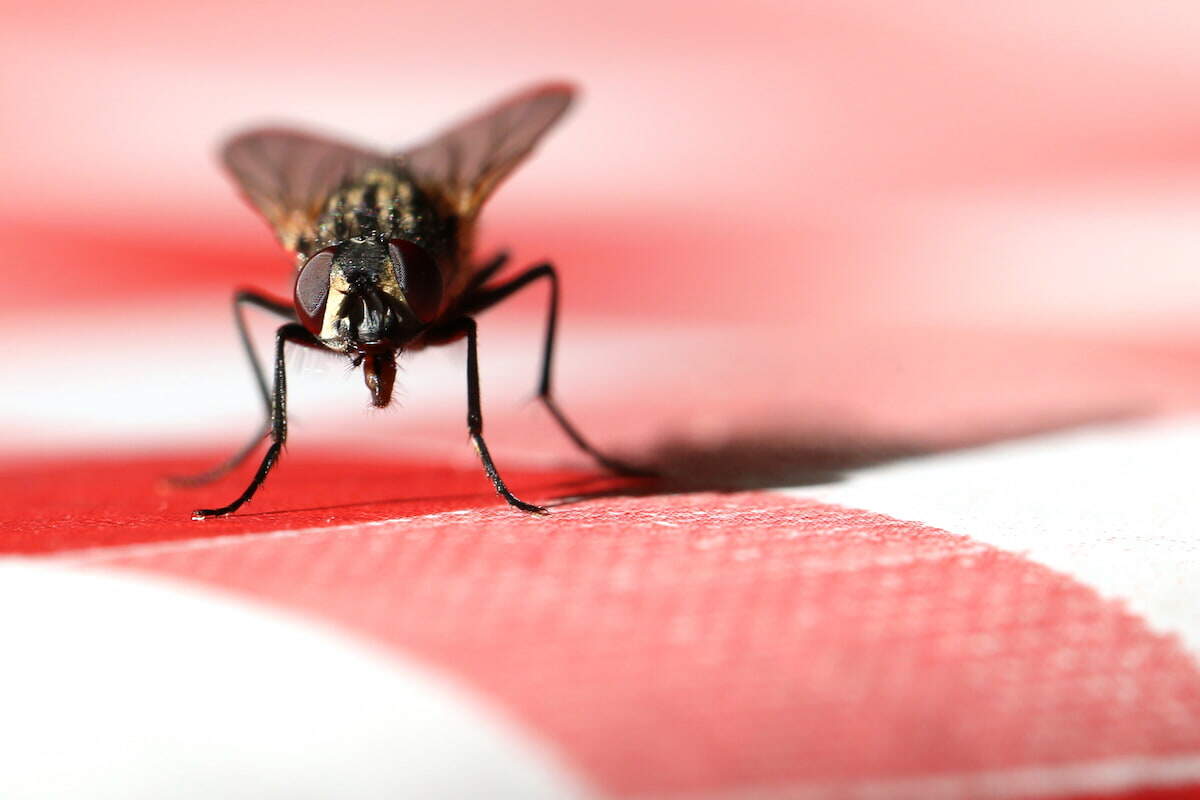
Flies: The Unwanted Buzz
Fly infestations can be more than just a nuisance; they are a health hazard, spreading diseases wherever they land. We implement effective fly control measures, including UV fly traps and sanitation advice, to keep these pests at bay, which is especially critical for food service and healthcare facilities.
Birds: Feathers and Risks
Birds, particularly pigeons, pose health risks through their droppings and can cause damage to property structures. Our bird control solutions encompass deterrents, exclusion methods, and habitat modification to prevent birds from nesting and roosting on your property.
Ants: Small but Mighty
Ant infestations require a thorough approach to identify and destroy the nest, not just the ants you see. Our expert team identifies the ant species invading your property to deploy the most effective treatment plan, ensuring a long-term solution to your ant problem.
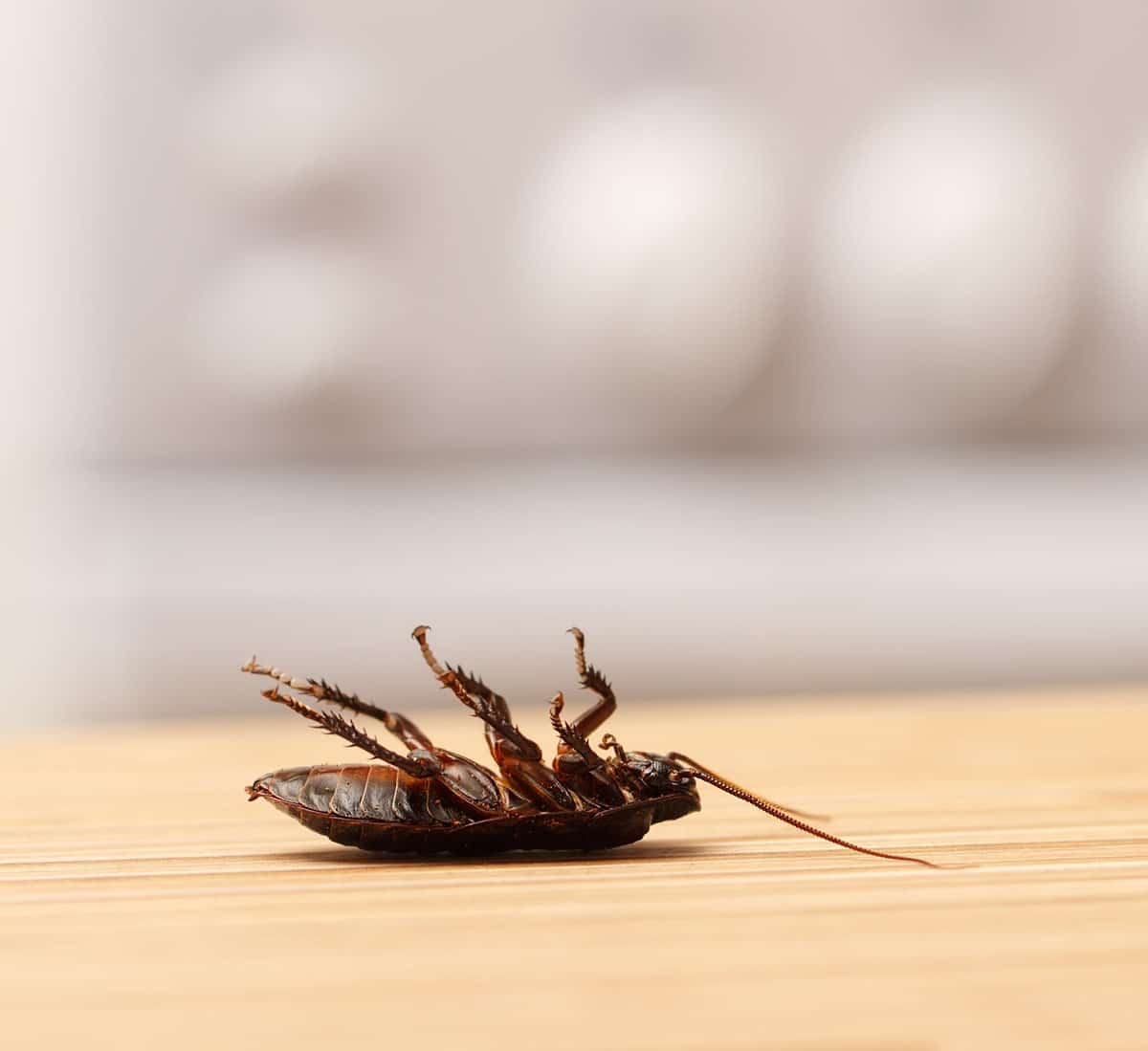
Cockroaches: A Year-Round Threat
Cockroach infestations can damage your reputation and pose health risks. Our comprehensive cockroach control program includes identification, treatment, and prevention techniques to keep your business roach-free throughout the year.
Bed Bugs: The Silent Invaders
Bed bugs are challenging pests that hide during the day and feed at night. Our bed bug treatments can eliminate these pests at all life stages, ensuring they don’t disrupt your business operations or harm your reputation.
Other Invaders: From Crickets to Wildlife
We also manage other pests, including crickets, ground beetles, bats, spiders, moths, stink bugs, centipedes, raccoons, and more. Each pest requires a specific management approach, and our team handles them all, protecting your business from every angle.
Partner with Titan Pest & Wildlife Solutions
With Titan Pest & Wildlife Solutions, you gain a partner dedicated to keeping your business safe from pests. Our tailored commercial pest control services in St. Louis address the unique needs of your industry, ensuring a healthy environment for your employees and customers.
Contact us today to learn more about our commercial pest control solutions and how we can help protect your business from these common pests.
Why Choose Titan Pest & Wildlife Solutions?
Local Expertise: As a St. Louis-based company, we deeply understand local pest pressures and solutions.
Customized Plans: We tailor our pest control plans to your business’s needs, ensuring the most effective treatment.
Professional Technicians: Our team of certified and experienced pest control technicians provides the highest level of service.
Sustainable Practices: We prioritize safe and sustainable pest management strategies to protect your property and the environment.
Emergency Services: Responsive and reliable emergency services to address sudden pest outbreaks.
Get Started Today
Don’t let pests put your business at risk. Contact Titan Pest & Wildlife Solutions today to discuss how our commercial pest control services can benefit your St. Louis business. Our team is ready to develop a customized plan addressing pest challenges, ensuring your business remains pest-free and prosperous.